Welcome to I.CH Motion Co., Ltd
- All
- Product Name
- Product Keyword
- Product Model
- Product Summary
- Product Description
- Multi Field Search

Views: 0 Author: Site Editor Publish Time: 2026-02-12 Origin: Site


Are you aware that inefficiencies in gearboxes can lead to significant energy losses? In today's industrial landscape, gearbox efficiency is crucial for optimizing performance and reducing costs. This article explores the importance of gearbox efficiency and its impact on operational expenses and environmental sustainability.
In this post, you'll learn how to boost gearbox efficiency and reduce energy losses in your power transmission train. We’ll also highlight I.CH Motion’s commitment to providing high-efficiency gearbox solutions that meet modern demands.
At its core, a gearbox is designed to transmit power from one component to another while adjusting the speed and torque. It achieves this through a series of gears that mesh together. Here's a quick breakdown of how it operates:
● Basic Mechanics: When power enters the gearbox, it turns the input shaft, which is connected to the gears. These gears are arranged in specific configurations to either increase torque or increase speed, depending on the application.
● Types of Gearboxes: There are various types of gearboxes, each serving unique purposes. Common types include:
○ Planetary Gearboxes: Known for their compact design and high torque density. They use a central sun gear surrounded by planet gears, providing efficient power transmission.
○ Helical Gearboxes: These feature angled teeth that allow for smoother operation and reduced noise, making them ideal for high-speed applications.
Gearboxes play a vital role in numerous sectors, driving efficiency and performance. They are essential in:
● Industrial Automation: Gearboxes enable machines to perform tasks with precision, from conveyor belts to robotic arms.
● Robotics: In robotics, gearboxes help control movement and speed, ensuring accuracy in tasks like assembly and packaging.
● Smart Appliances: Everyday devices like washing machines and electric vehicles rely on gearboxes for efficient operation.
I.CH Motion specializes in producing high-quality gearboxes tailored for various applications. Here are a few notable products:
Product Type | Features | Applications |
DC Gear Motors | Compact design, high efficiency, customizable torque | Robotics, automation systems |
Planetary Gearboxes | High power density, low backlash, maintenance-free operation | Industrial machinery, smart devices |
These products exemplify how I.CH Motion integrates advanced technology to enhance gearbox efficiency. Their gear motors and planetary gearboxes are engineered for durability and performance, making them suitable for demanding environments.
In summary, understanding how gearboxes function and their applications across industries is crucial for optimizing energy efficiency. Whether in robotics, automation, or smart appliances, gearboxes are indispensable components that can significantly impact operational performance. By choosing the right gearbox, companies can reduce energy losses and improve overall efficiency.
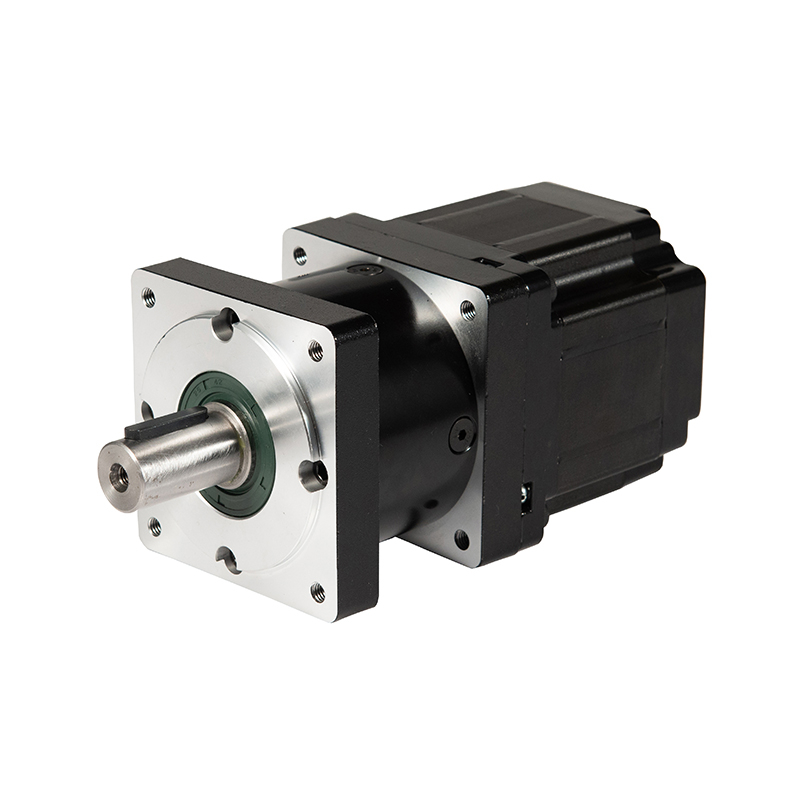
Mechanical efficiency is a critical measure of how effectively a gearbox transmits power. It’s defined as the ratio of useful output power to the input power. High mechanical efficiency means less energy is wasted as heat or friction.
● Significance: A gearbox with high mechanical efficiency reduces operational costs and improves overall system performance. It ensures that more of the input energy is converted into useful work.
● Factors Affecting Mechanical Efficiency:
○ Gear Design: The shape and arrangement of gears can significantly impact efficiency.
○ Material Quality: High-quality materials reduce wear and tear, enhancing efficiency.
○ Load Conditions: Operating under optimal load conditions maximizes efficiency.
Managing heat in gearboxes is vital for maintaining performance. Excessive heat can lead to premature failure and reduced efficiency.
● Importance of Managing Heat: Effective thermal management keeps the gearbox operating within its optimal temperature range. This not only extends the lifespan of the gearbox but also maintains its efficiency.
● Consequences of Poor Thermal Management:
○ Increased Wear: High temperatures can accelerate wear on gears and bearings.
○ Reduced Lubrication Effectiveness: Heat can degrade lubricants, leading to increased friction and energy loss.
Proper lubrication is essential for reducing friction and wear in gearboxes. It plays a key role in maintaining mechanical efficiency.
● Role of Lubrication: Good lubrication forms a protective film between moving parts, minimizing direct contact and reducing friction. This leads to smoother operation and less heat generation.
● Best Practices for Effective Lubrication:
○ Choose the Right Lubricant: Select lubricants that are appropriate for the operating conditions and temperatures.
○ Regular Maintenance: Implement a routine maintenance schedule to check and replace lubricants as needed.
○ Monitor Lubricant Quality: Regularly analyze lubricant properties to ensure they remain effective.
The Energy Efficiency Ratio (EER) is a vital metric for evaluating gearbox performance. It provides insight into how efficiently a gearbox converts input energy into useful work.
● Explanation of EER: EER is calculated by dividing the output power by the input power, typically expressed in kilowatts. A higher EER indicates a more efficient gearbox.
● Calculating EER for Gearboxes: To calculate EER, you can use the following formula:
EER=Input Power (kW) / Output Power (kW)
Referencing I.CH Motion's efficiency benchmarks, gearboxes often achieve EER values above 90%, showcasing their commitment to high efficiency.
Efficiency Metric | Typical Values | Importance |
Mechanical Efficiency | 85% - 98% | Measures power loss due to friction |
Thermal Efficiency | < 70% | Indicates heat management effectiveness |
Lubrication Efficiency | Varies | Impacts wear and operational lifespan |
Energy Efficiency Ratio (EER) | > 90% | Overall efficiency indicator |
Understanding these key metrics helps in selecting the right gearbox and implementing practices that enhance efficiency. By focusing on mechanical, thermal, and lubrication efficiencies, along with monitoring EER, businesses can significantly reduce energy losses and improve performance in their power transmission systems.
Mechanical losses are a significant factor contributing to energy inefficiency in gearboxes. These losses primarily occur due to friction and slippage during operation.
● Friction and Slippage: As gears rotate, friction between the gear teeth can lead to energy loss. This friction generates heat, which further impacts efficiency. Slippage can occur if the gears are not properly meshed, resulting in lost power transmission.
● Gear Meshing Inefficiencies: Misalignment or poor gear design can cause inefficient meshing. When gears don’t mesh correctly, it increases resistance, leading to additional energy loss. Regular maintenance and precise alignment can help mitigate these issues.
Heat generation is another common cause of energy loss in gearboxes. It affects both performance and longevity.
● Heat Generation: Excessive heat is often a byproduct of mechanical losses. When gears operate under high friction, they generate heat, which can lead to thermal expansion and misalignment. This can further exacerbate inefficiencies.
● Effects on Efficiency: High temperatures can degrade lubricants, resulting in increased friction and wear. This cycle can create a significant drop in overall gearbox performance, leading to higher operational costs.
Proper lubrication is crucial for maintaining gearbox efficiency. Inadequate lubrication can lead to severe consequences.
● Consequences of Inadequate Lubrication: Without sufficient lubrication, gears experience increased friction and wear. This can lead to overheating, gear damage, and ultimately, gearbox failure. It’s essential to regularly monitor and maintain lubricant levels.
● Common Lubrication Mistakes:
○ Using Incorrect Lubricants: Selecting the wrong type of lubricant can hinder performance. Always choose lubricants that match the gearbox specifications.
○ Neglecting Regular Changes: Failing to change lubricants at recommended intervals can lead to contamination and reduced effectiveness. Regular oil analysis can help identify when it’s time for a change.
Here’s a quick overview of the common causes of energy loss in gearboxes:
Cause | Description | Impact on Efficiency |
Mechanical Losses | Friction and slippage; gear meshing inefficiencies | Increased energy consumption and heat |
Thermal Losses | Heat generation from friction | Degraded lubricant and reduced performance |
Lubrication Issues | Inadequate lubrication and common mistakes | Increased friction, wear, and potential failure |
Understanding these common causes can help in implementing effective strategies to enhance gearbox efficiency. By addressing mechanical losses, managing thermal conditions, and ensuring proper lubrication, businesses can significantly reduce energy losses in their power transmission systems.
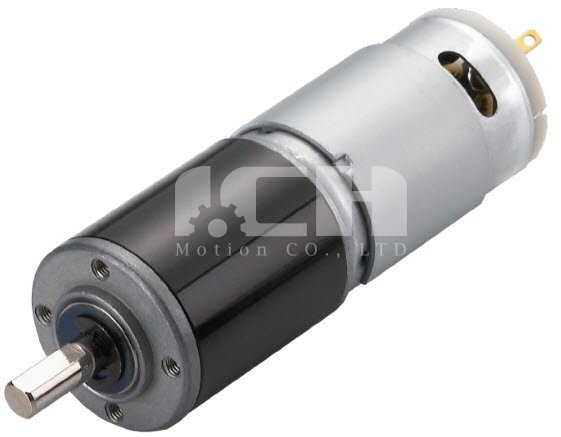
An effective lubrication strategy is crucial for enhancing gearbox efficiency. Choosing the right lubricants can significantly impact performance.
● Choosing the Right Lubricants: Synthetic oils generally offer better performance compared to mineral oils. They provide superior thermal stability and lower friction, which can lead to improved efficiency. Always consider the operating conditions when selecting lubricants.
● Managing Viscosity and Oil Levels: Maintaining the correct viscosity is essential. Too thick oil can impede movement, while too thin oil may not provide adequate protection. Regular checks on oil levels help ensure optimal lubrication, reducing wear and tear.
The type of gears used in a gearbox can greatly influence its efficiency.
● Comparison of Gear Types:
○ Helical Gears: These gears offer smooth operation and are quieter than other types, making them suitable for high-speed applications.
○ Worm Gears: While they provide high reduction ratios, they can be less efficient due to higher friction.
● Benefits of Planetary Gear Designs: Planetary gearboxes, like those offered by I.CH Motion, are known for their compact size and high torque density. They distribute load across multiple gears, leading to lower stress and improved efficiency. This design can enhance performance in various applications, from robotics to industrial automation.
Proper alignment is vital for gearbox efficiency. Misalignment can lead to increased wear and energy loss.
● Importance of Proper Alignment: Ensuring that gears are correctly aligned minimizes friction and wear. This not only extends the lifespan of the gearbox but also maintains its efficiency.
● Tools and Techniques for Achieving Alignment: Using laser alignment tools can significantly improve accuracy. These tools help ensure that shafts are aligned within acceptable tolerances, reducing the risk of mechanical losses.
Understanding load profiles is essential for optimizing gearbox performance.
● Understanding Load Profiles: Different applications impose varying loads on gearboxes. Recognizing these profiles helps in selecting the right gearbox and optimizing its operation.
● Implementing Variable Speed Drives (VSDs): VSDs allow for better control of motor speed and torque, adapting to load changes in real-time. This flexibility can enhance overall system efficiency and reduce energy consumption.
Here’s a quick overview of strategies to boost gearbox efficiency:
Strategy | Description | Benefits |
Optimize Lubrication Strategy | Choose the right lubricants and manage viscosity | Reduces friction and wear |
Select High-Efficiency Gear Types | Use helical and planetary gears for better performance | Improves torque density and efficiency |
Precision Alignment and Installation | Ensure proper alignment using advanced tools | Minimizes energy loss and wear |
Strategic Load Management | Analyze load profiles and use VSDs | Enhances adaptability and efficiency |
Implementing these strategies can lead to significant improvements in gearbox efficiency. By focusing on lubrication, gear selection, alignment, and load management, businesses can effectively reduce energy losses and enhance overall performance in their power transmission systems.
Boosting gearbox efficiency is vital for reducing energy losses.
Key strategies include optimizing lubrication, selecting high-efficiency gear types, and ensuring precision alignment.
Managing load effectively with variable speed drives also enhances performance.
Implement these strategies to improve your systems.
Feel free to share your experiences or seek professional advice on optimizing gearbox efficiency.
A: Improving gearbox efficiency can save 10-30% in energy costs, depending on the application.
A: Cost-effective upgrades include optimizing lubrication, selecting high-efficiency gear types, and ensuring proper alignment.
A: Replace a gearbox when repair costs exceed 50% of a new unit or when efficiency drops significantly.
A: Measure efficiency by calculating the Energy Efficiency Ratio (EER) using output and input power data.