Welcome to I.CH Motion Co., Ltd
- All
- Product Name
- Product Keyword
- Product Model
- Product Summary
- Product Description
- Multi Field Search

Views: 0 Author: Site Editor Publish Time: 2026-02-25 Origin: Site


Are you aware that the wrong gearbox selection can lead to costly downtime? Choosing the right industrial gearbox is crucial for efficiency and performance in automation, manufacturing, and robotics. In this guide, we’ll explore what an industrial gearbox is and why it matters. You’ll learn how to make informed choices to enhance machinery longevity and avoid unnecessary expenses.
When it comes to selecting the right gearbox, understanding the different types and their applications is crucial. Gearboxes are essential components in various machinery, impacting efficiency and performance. Let’s break down the main types of gearboxes and their key features.
● High Torque Density: Planetary gearboxes are known for their ability to handle high torque in a compact size. This makes them ideal for applications where space is limited.
● Applications: They are often used in robotics, precision instruments, and automation systems due to their reliability and efficiency. For example, in robotic arms, they provide precise movements while saving space.
● Smooth Operation: These gearboxes feature helical gears that engage gradually, resulting in quieter and smoother operation.
● Efficiency: They offer high efficiency, making them suitable for continuous operation in various applications. Common uses include conveyors and mixers, where consistent performance is critical.
● Self-Locking Capabilities: Worm gearboxes provide unique advantages, such as self-locking features, which prevent back-driving. This is particularly useful in lifting applications.
● High Torque Reduction: They excel in scenarios requiring significant torque reduction, such as in elevators or heavy machinery. Their design allows for substantial speed reduction while maintaining high torque.
● Angular Power Transfer: Bevel gearboxes are designed for transferring power at right angles, making them essential in many industrial applications.
● Heavy Machinery Applications: They are commonly used in heavy machinery and automotive applications, where they help change the direction of power transmission efficiently.
Understanding the components of a gearbox can help in selecting the right one for your needs.
Component | Importance |
Input and Output Shafts | Proper shaft design is vital for handling loads effectively. It ensures that the gearbox can transmit power without failure. A well-designed shaft also minimizes wear and tear, extending the gearbox's lifespan. |
Bearings and Lubrication Systems | Bearings reduce friction, allowing for smooth operation. Lubrication systems are crucial for maintaining optimal performance and preventing overheating. Regular maintenance of these systems is necessary for longevity. |
Housing Types and Materials | The choice of housing material affects durability and resistance to environmental factors. Common materials include aluminum for lightweight applications and steel for heavy-duty environments. Selecting the right material can enhance the gearbox's performance in harsh conditions. |
Selecting the right gearbox involves understanding the different types available and their specific applications. Whether you need a planetary gearbox for precision or a worm gearbox for high torque, knowing your options will help you make informed decisions. Each component plays a vital role in the overall performance, so consider these factors carefully when choosing your gearbox.
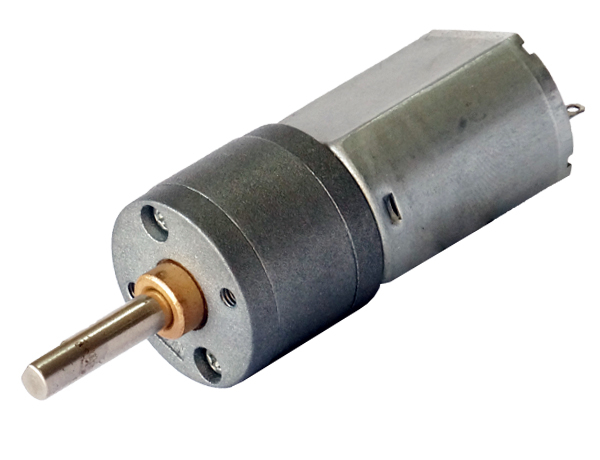
Selecting the right gearbox is a critical decision that can greatly influence the efficiency and longevity of your machinery. A well-chosen gearbox not only enhances performance but also minimizes operational costs. Here’s a deeper dive into the key factors to consider when making your choice.
Understanding load and torque is fundamental to selecting the right gearbox.
● How to Calculate Actual Load and Torque: Use the formula:
$$ T = \frac{9550 \times P}{n} $$
where $$P$$ is power in kW and $$n$$ is the rotational speed in r/min. This calculation helps determine the torque needed for your application. For example, if your motor operates at 5 kW and 1500 r/min, the torque would be approximately 3.18 Nm.
● Importance of Peak Loads: Always consider peak loads when making your selection. A gearbox that operates near its maximum capacity can have a shorter lifespan, leading to unexpected failures and costly downtimes. For instance, if your application experiences occasional surges in load, selecting a gearbox with a higher service factor can help accommodate these peaks without compromising performance.
Efficiency ratings are crucial for operational cost management.
● Understanding Gearbox Efficiency: A more efficient gearbox translates to lower energy consumption. This is particularly important in high-precision applications where every bit of energy counts. For example, an efficiency rating of 95% means that only 5% of the input power is lost as heat, which is significant in large-scale operations.
● Interpreting Efficiency Ratings: Look for efficiency ratings provided by manufacturers. They indicate how well a gearbox converts input power to output power. Higher efficiency means lower operational costs, making it a vital consideration. Additionally, consider the gearbox's efficiency curve, which shows how efficiency varies with load. This can help you choose a gearbox that performs well across the expected load range.
The service factor is a key element in gearbox selection.
● What is Service Factor?: This factor accounts for variations in load and operating conditions. It helps determine how much additional load a gearbox can handle beyond its rated capacity. For instance, a service factor of 1.5 means the gearbox can handle 50% more load than its rated capacity.
● Determining the Appropriate Service Factor: Consider factors like load types (constant, intermittent) and operational conditions (temperature, humidity). These elements influence the service factor and, consequently, the gearbox's performance. For example, a gearbox used in a fluctuating load environment may require a higher service factor than one used in a steady-state application.
The environment can significantly impact gearbox performance.
● How Environment Affects Gearbox Selection: Factors such as temperature extremes, humidity levels, and exposure to dust or chemicals can affect a gearbox's operation. For instance, gearboxes in food processing plants need to withstand high humidity and cleaning chemicals, while those in outdoor applications must resist corrosion from moisture and UV exposure.
● Selecting Materials for Harsh Environments: For applications in challenging conditions, choose corrosion-resistant materials. For instance, I.CH Motion offers customized planetary gearboxes designed to withstand harsh environments, ensuring durability and reliability. Materials like stainless steel or specially coated alloys can provide the necessary protection against environmental factors.
Proper mounting is essential for gearbox functionality.
● Importance of Proper Mounting: Misalignment can lead to increased wear and tear, ultimately causing mechanical failure. Ensure the gearbox is mounted correctly to avoid these issues. For example, if a gearbox is not aligned properly with its motor, it can cause excessive vibration and noise, leading to premature failure.
● Orientation Considerations: The installation angle can impact performance, especially in vertical applications. Make sure to assess how the gearbox's orientation affects its operation to ensure optimal functionality. For instance, worm gearboxes may perform differently when mounted horizontally versus vertically due to lubrication considerations.
Factor | Considerations |
Load and Torque | Calculate using $$T = \frac{9550 \times P}{n}$$; consider peak loads. |
Efficiency Ratings | Higher efficiency reduces operational costs; check manufacturer ratings. |
Service Factor | Understand load variations; determine based on operating conditions. |
Environmental Conditions | Choose materials based on exposure risks; consider corrosion resistance. |
Mounting and Orientation | Ensure proper alignment; assess installation angles for optimal performance. |
Choosing the right gearbox is a multifaceted process that requires careful consideration of various factors. By taking the time to evaluate load and torque requirements, efficiency ratings, service factors, environmental conditions, and mounting options, you can select a gearbox that not only meets your immediate needs but also ensures long-term reliability and efficiency in your operations. This thoughtful approach will ultimately lead to enhanced performance and reduced operational costs, making your investment worthwhile.
When it comes to industrial gearboxes, one size does not fit all. Customization is often necessary to meet specific application needs. Let's explore when to consider custom solutions and how to ensure your gearbox pairs well with your motor.
Customization becomes essential in several scenarios:
● Unique Space Constraints: If your machinery has limited space, a standard gearbox may not fit. Custom gearboxes can be designed to maximize available space while maintaining performance.
● Specific Torque Needs: Applications requiring unique torque specifications often need tailored solutions. For example, robotics applications may demand gearboxes that can handle varying torque loads without compromising precision.
Manufacturers like I.CH Motion offer various customization options to address specific requirements:
● Size Adjustments: Gearboxes can be resized to fit compact spaces or larger applications, ensuring optimal integration into existing systems.
● Torque Specifications: Custom gearboxes can be engineered to deliver the exact torque needed, ensuring efficient operation in demanding environments.
● Speed Configurations: Whether you need high-speed performance or low-speed torque, customized speed settings can be tailored to match your application’s requirements.
Ensuring compatibility between your gearbox and motor is crucial for optimal performance.
When pairing a gearbox with a motor, consider the following key factors:
● Specifications Matching: Ensure that the gearbox's input speed matches the motor's output speed. This alignment is critical for efficient performance. For instance, if your motor operates at 1500 RPM, the gearbox should be capable of handling this speed without overheating.
● Performance Requirements: Evaluate the torque and power ratings of both components. The gearbox must be able to handle the motor's output without exceeding its limits. For example, if a motor produces 5 kW of power, the gearbox should be rated to handle this power level effectively.
● Mounting Compatibility: Check that the mounting configurations of both the gearbox and motor align. Misalignment can lead to increased wear and potential failure. It’s essential to ensure that the mounting holes and shaft connections are compatible.
Customization Aspect | Considerations |
Size Adjustments | Tailor dimensions to fit specific machinery constraints. |
Torque Specifications | Design for exact torque needs in demanding applications. |
Speed Configurations | Adjust speed settings for high-performance or low-speed needs. |
Choosing the right gearbox often requires customization to meet the unique demands of your application. By understanding when to consider custom solutions and how to ensure compatibility with motors, you can optimize performance and enhance the overall efficiency of your machinery. Custom gearboxes not only provide the flexibility needed for specialized applications but also contribute to the longevity and reliability of your equipment.
When selecting an industrial gearbox, quality assurance and thorough testing are paramount. These processes ensure reliability, safety, and performance. Here’s what you need to know about assessing gearbox quality and the testing procedures involved.
Quality control is essential for guaranteeing that your gearbox meets the required standards.
● Certifications and Standards: Look for gearboxes that comply with recognized certifications. Standards like ISO 9001 ensure that manufacturers follow quality management principles, while CE marking indicates compliance with European safety standards. These certifications provide confidence that the gearbox has undergone rigorous quality checks.
● Material Quality: Examine the materials used in gearbox construction. High-quality steel and precision-engineered components enhance durability and performance. Manufacturers should provide information on the materials used, ensuring they are suitable for the intended application.
● Manufacturer Reputation: Research the manufacturer’s history and reputation in the industry. Companies like I.CH Motion are known for their commitment to quality and customer satisfaction, which can give you peace of mind in your purchase.
Testing is a crucial step in ensuring that gearboxes perform as expected under real-world conditions.
● Performance Validation: Gearboxes should undergo a series of laboratory tests to validate their performance. These tests typically include:
○ Life Testing: This involves running the gearbox under load for extended periods to simulate real-world usage. Life testing devices help identify potential failure points and ensure the gearbox can handle its rated capacity over time.
○ Vibration Analysis: This test checks for excessive vibrations during operation, which can indicate misalignment or wear. Monitoring vibrations helps maintain the gearbox's operational integrity.
○ Thermal Testing: Gearboxes should be tested for heat generation under load. Excessive heat can lead to premature failure, so understanding how a gearbox dissipates heat is critical.
Testing Type | Purpose |
Life Testing | Simulates long-term use to identify potential failures. |
Vibration Analysis | Detects misalignment or excessive wear through vibrations. |
Thermal Testing | Assesses heat generation to prevent overheating issues. |
By prioritizing quality assurance and rigorous testing procedures, you can ensure that the gearbox you choose will perform reliably in your application. These steps not only enhance performance but also contribute to the longevity of your machinery, making your investment worthwhile.
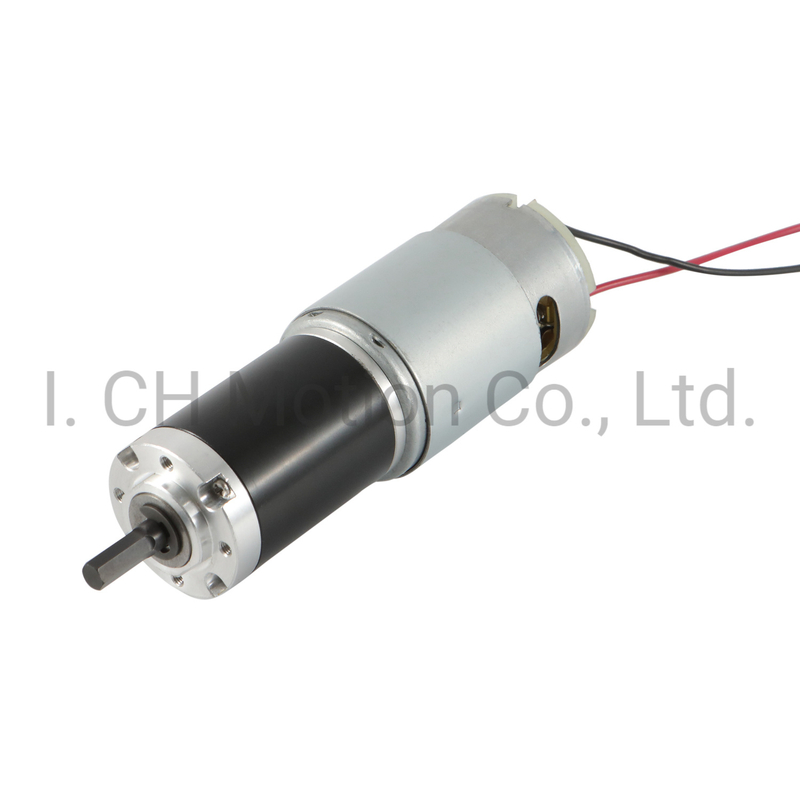
Choosing the right supplier for your gearbox is just as crucial as selecting the gearbox itself. A reliable supplier can significantly impact your operations and long-term satisfaction. Here’s how to evaluate manufacturers and understand the importance of after-sales support.
When assessing gearbox manufacturers, several key factors come into play.
● Experience and Expertise: Look for suppliers with a proven track record in the industry. Established brands like I.CH Motion have years of experience and a wealth of knowledge in gearbox design and manufacturing. Their expertise ensures that you receive a product that meets your specific needs.
● Reputation: Research the manufacturer's reputation. Customer reviews, case studies, and industry awards can provide insights into the quality of their products and services. A reputable manufacturer is more likely to deliver reliable gearboxes and stand behind their products.
● Customization Capabilities: Check if the manufacturer offers customization options. Many applications require tailored solutions, and a supplier that can adapt their offerings to your needs will be invaluable. For instance, I.CH Motion provides various customization options, ensuring that their gearboxes fit perfectly into your systems.
After-sales support is a critical aspect of the supplier relationship.
● Long-Term Performance: Quality after-sales service can significantly impact the long-term performance of your gearbox. A supplier that offers support and maintenance services ensures that your gearbox operates efficiently throughout its lifespan. This is especially important in high-demand environments where downtime can be costly.
● Customer Satisfaction: Good after-sales support enhances customer satisfaction. Knowing that you have access to technical assistance, warranty services, and repair options can provide peace of mind. This support can help you resolve any issues quickly, minimizing disruptions to your operations.
● Warranty and Repair Services: Evaluate the warranty terms and repair services offered by the supplier. A robust warranty reflects the manufacturer’s confidence in their product. Additionally, having accessible repair services can save you time and money in the event of a malfunction.
Criteria | Considerations |
Experience and Expertise | Look for established brands with a strong industry presence. |
Reputation | Research customer feedback and industry awards for insights. |
Customization Capabilities | Ensure the manufacturer can adapt products to your needs. |
After-Sales Support | Assess warranty terms and availability of repair services. |
Selecting the right supplier for your gearbox involves careful evaluation of manufacturers and understanding the importance of after-sales support. By focusing on these aspects, you can ensure a smoother experience and better performance from your gearbox, enhancing your overall operational efficiency.
Selecting the right industrial gearbox is crucial for operational efficiency. Key factors include load and torque requirements, quality assurance, and supplier evaluation.
Look for manufacturers with experience and strong reputations. After-sales support is also vital for long-term performance.
Take a strategic approach to your gearbox selection. Aligning with expert manufacturers will ensure you make an informed choice.