Welcome to I.CH Motion Co., Ltd
- All
- Product Name
- Product Keyword
- Product Model
- Product Summary
- Product Description
- Multi Field Search

Views: 0 Author: Site Editor Publish Time: 2026-02-20 Origin: Site


Are you struggling to choose the right gearbox for your high-torque application?
Gearboxes play a crucial role in mechanical systems, impacting performance and efficiency. Selecting the appropriate type is essential, especially when dealing with high-torque requirements.
In this article, we’ll explore the differences between planetary and helical gearboxes. You’ll learn which gearbox best suits your needs and discover insights from I.CH Motion Co., Ltd, a leader in high-quality gearbox manufacturing.
A gearbox is a mechanical device that transfers power from one part of a machine to another. It modifies the speed and torque of the input power source, allowing machinery to operate effectively.
● Purpose: Gearboxes convert high-speed, low-torque energy into low-speed, high-torque energy, which is crucial for many industrial applications.
● Types: There are various types of gearboxes, but two of the most common are planetary and helical designs.
● Structure: Composed of a central sun gear, multiple planet gears, and an outer ring gear. This arrangement allows for efficient load distribution.
● Advantages: High torque density and compact size make them ideal for applications where space is limited.
● Structure: Features gears with angled teeth that engage gradually, providing smooth and quiet operation.
● Advantages: They excel in durability and efficiency, making them suitable for continuous-duty applications.
Choosing the right gearbox is critical, especially in high-torque applications. These scenarios often demand specific performance characteristics to ensure reliability and efficiency.
● High-Torque Applications: These include heavy machinery, robotics, and automotive systems. They require gearboxes capable of handling substantial loads without compromising performance.
● Performance Impact: The right gearbox affects efficiency, durability, and the overall functionality of the machinery. A poorly chosen gearbox can lead to increased wear, energy loss, and ultimately, equipment failure.
Here’s a quick look at how gearbox selection can impact performance:
Factor | Impact of Gearbox Choice |
Torque Capacity | Determines the maximum load a system can handle. |
Efficiency | Affects energy consumption and operational costs. |
Durability | Influences the lifespan of both the gearbox and the machinery. |
I.CH Motion Co., Ltd has extensive experience in providing high-torque gearbox solutions. Their products are designed to meet the specific demands of various industries, ensuring optimal performance and reliability.
When selecting a gearbox, consider factors such as:
● Load Requirements: Understand the maximum torque your application will face.
● Space Constraints: Determine if a compact design is necessary.
● Noise Levels: Evaluate if noise reduction is a priority for your application.
Ultimately, the right gearbox can enhance the performance of your machinery, making it essential to choose wisely. With I.CH Motion’s expertise, you can find a solution tailored to your needs.
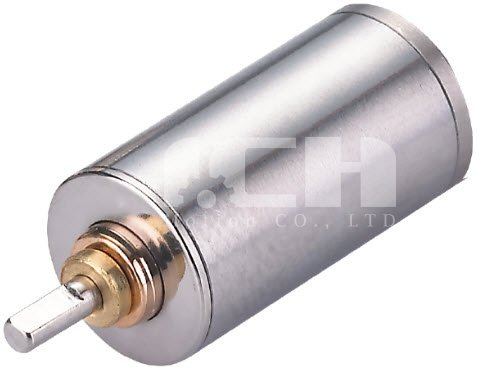
A planetary gearbox is a type of gear system that consists of three main components: the sun gear, planet gears, and the ring gear. This unique structure allows for a compact design while providing high torque output.
● Sun Gear: The central gear that drives the system.
● Planet Gears: These rotate around the sun gear and are mounted on a movable carrier.
● Ring Gear: Located on the outer edge, it encases the planet gears.
This arrangement enables multi-point load distribution, which significantly enhances the gearbox's efficiency and durability. As the sun gear rotates, the planet gears revolve around it, transferring power effectively while minimizing wear and tear.
Planetary gearboxes offer several benefits that make them a popular choice in various applications:
● High Torque Density: Their compact design allows them to deliver substantial torque in limited spaces. This is particularly beneficial in robotics and automation, where space is often at a premium.
● Efficient Load Distribution: The arrangement of gears ensures even distribution of force, which enhances the lifespan of the gearbox. I.CH Motion’s rigorous gear testing demonstrates how their planetary gearboxes maintain performance under high loads.
● Low Backlash and High Precision: These gearboxes are designed to minimize backlash, making them ideal for applications requiring precise positioning, such as CNC machines and robotic arms.
Here’s a quick comparison of the key advantages:
Advantage | Description |
High Torque Density | Compact design with substantial torque output. |
Efficient Load Distribution | Enhanced durability due to even force distribution. |
Low Backlash | Ideal for applications needing exact positioning. |
Planetary gearboxes find applications across various industries due to their versatility and efficiency. Here are some common sectors where they excel:
● Robotics: Used in robotic arms and automated systems for precise movements.
● Automation: Essential in conveyor systems and assembly lines where reliability is crucial.
● Aerospace: Employed in aircraft systems for their lightweight and robust design.
For example, I.CH Motion has partnered with several robotics companies to develop customized planetary gearboxes that meet specific operational requirements. These collaborations have resulted in successful implementations, enhancing productivity and reliability in complex robotic systems.
1. Robotics: A leading robotics manufacturer utilized I.CH Motion's planetary gearboxes to improve the precision of their robotic arms. The result was a 30% increase in operational efficiency.
2. Aerospace: An aerospace company integrated these gearboxes into their flight control systems. This integration not only reduced weight but also improved response times during critical maneuvers.
In summary, planetary gearboxes provide a combination of high torque, durability, and precision, making them an excellent choice for high-torque applications across various industries. Their ability to handle heavy loads while maintaining compactness is why many companies, including I.CH Motion, rely on them for innovative solutions.
A helical gearbox is a type of gear system characterized by its helical gears, which feature angled teeth. This design allows for gradual engagement between gears, resulting in smooth and efficient power transmission.
● Structure: Helical gears are mounted on shafts that are aligned at an angle, providing a larger contact area than straight-cut gears.
● Operation: As the gears mesh, they engage gradually, reducing shock loads and vibrations, which contributes to smoother operation.
Helical gearboxes offer several notable benefits, making them a preferred choice in many applications:
● Smooth Operation and Noise Reduction: The gradual engagement of helical gears minimizes noise and vibration. This makes them ideal for environments where noise control is crucial, such as in residential or office settings.
● High Efficiency and Load Capacity: These gearboxes are designed for high efficiency, allowing for effective power transfer. Their robust construction enables them to handle significant loads, making them suitable for continuous-duty applications like conveyors and mixers.
● Durability and Ease of Maintenance: Helical gearboxes are built to last. Their design reduces wear, leading to longer service life. I.CH Motion provides reliable solutions, ensuring minimal downtime through easy maintenance features.
Here's a quick overview of the advantages:
Advantage | Description |
Smooth Operation | Gradual gear engagement reduces noise and vibrations. |
High Efficiency | Effective power transfer with minimal energy loss. |
Durability | Long-lasting design with easy maintenance requirements. |
Helical gearboxes are widely used across various industries due to their versatility and reliability. Here are some common applications:
● Conveyors: They are often used in conveyor systems, providing smooth and efficient movement of materials.
● Mixers: In industrial mixing applications, these gearboxes ensure consistent and reliable performance.
● Pumps: Helical gearboxes are also found in pump systems, where they help maintain steady flow rates.
1. Food Processing: A leading food manufacturer implemented I.CH Motion’s helical gearboxes in their mixing systems. This resulted in a 20% increase in efficiency, allowing for higher production rates.
2. Automotive Industry: An automotive parts supplier utilized helical gearboxes in their conveyor systems. The reduced noise levels contributed to a better working environment and improved employee satisfaction.
3. Water Treatment: In a municipal water treatment facility, helical gearboxes enhanced the reliability of pump operations, ensuring consistent water flow and reducing maintenance costs.
Helical gearboxes are essential in various applications, providing the reliability and efficiency needed for demanding environments. With I.CH Motion’s expertise, companies can find the right helical gearbox to meet their specific operational needs.
When comparing planetary and helical gearboxes, performance and efficiency are key factors. Each type has unique characteristics that make it suitable for different applications.
● Torque Density: Planetary gearboxes typically provide higher torque density. This means they can deliver more torque in a smaller package, making them ideal for applications where space is limited. In contrast, helical gearboxes, while efficient, may require more space to achieve similar torque outputs.
● Operational Characteristics: Planetary gearboxes excel in high-torque conditions, thanks to their multi-point load distribution. This design minimizes stress on individual components, enhancing durability. I.CH Motion’s specifications highlight how their planetary gearboxes maintain efficiency even under demanding loads.
Gearbox Type | Torque Density | Efficiency | High-Torque Performance |
Planetary | High | Very Efficient | Excellent |
Helical | Moderate | Efficient | Good |
The structural differences between planetary and helical gearboxes significantly influence their performance.
● Structural Differences: Planetary gearboxes consist of a sun gear, planet gears, and a ring gear, allowing for compact designs that distribute loads evenly. Helical gearboxes feature helical gears that mesh gradually, providing smoother operation but requiring more space.
● Space Efficiency: The compact nature of planetary gearboxes makes them easier to install in tight spaces. This can be a significant advantage in applications like robotics and automation, where every inch counts.
Noise and vibration levels are crucial considerations, especially in sensitive environments.
● Operational Noise Levels: Helical gearboxes generally operate more quietly due to the gradual engagement of their gears. This makes them suitable for applications where noise reduction is essential, such as in residential or office settings.
● Vibration Characteristics: Planetary gearboxes can produce more vibration under high loads, but their design helps mitigate this effect. Choosing the right gearbox based on the noise and vibration requirements of your application can enhance overall performance.
Maintenance needs and expected lifespan are critical for long-term operational efficiency.
● Maintenance Requirements: Planetary gearboxes often require less frequent maintenance due to their robust design and efficient load distribution. Helical gearboxes may need more regular checks, particularly in high-load applications.
● Lifespan Factors: The expected lifespan of both gearbox types can vary based on usage and maintenance. I.CH Motion implements rigorous testing standards to ensure their gearboxes meet high durability expectations, providing peace of mind for users.
When evaluating gearboxes, it’s essential to consider both initial investment and long-term costs.
● Initial Investment: Planetary gearboxes may have a higher upfront cost due to their complex design. However, their efficiency and durability can lead to lower operational costs over time.
● Total Cost of Ownership: Analyzing the total cost of ownership is crucial. While helical gearboxes might be cheaper initially, their maintenance and operational costs can add up. I.CH Motion's pricing strategies reflect the long-term value of investing in high-quality gearboxes.
Cost Factor | Planetary Gearbox | Helical Gearbox |
Initial Investment | Higher | Lower |
Long-Term Costs | Lower | Potentially Higher |
Understanding these differences can help you choose the right gearbox for your specific application. Whether you need the compact strength of a planetary gearbox or the smooth operation of a helical gearbox, I.CH Motion offers solutions tailored to meet your needs.
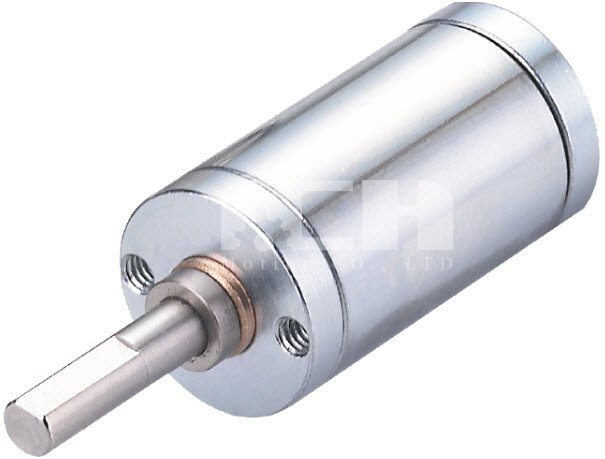
Selecting the right gearbox for your application is crucial. Several key factors should guide your decision:
● Torque Requirements: Determine the maximum torque your application will demand. Planetary gearboxes generally handle higher torque loads better, while helical gearboxes are more suitable for moderate loads.
● Space Constraints: Consider the physical space available for installation. Planetary gearboxes offer a compact design, making them ideal for tight spaces, whereas helical gearboxes require more room.
● Noise Levels: If your application is noise-sensitive, helical gearboxes may be the better choice due to their quieter operation. Assess the noise tolerance of your environment.
● Maintenance Needs: Evaluate how often you can perform maintenance. Planetary gearboxes typically require less frequent servicing, which can save time and costs in the long run.
I.CH Motion’s expertise in customized solutions can help you assess these needs effectively. They offer tailored advice based on your specific application requirements, ensuring you make an informed decision.
Planetary gearboxes excel in specific scenarios where their unique design can be fully utilized:
● Robotics: In robotic applications, where precision and high torque are essential, planetary gearboxes provide the necessary performance. Their compact size allows for integration into tight spaces without sacrificing power.
● Automated Systems: For automated processes that require reliable and consistent torque delivery, planetary gearboxes are ideal. They handle varying loads efficiently, ensuring smooth operation.
● High Torque Density: Their design allows for greater torque output in a smaller footprint, which is essential in robotics.
● Durability: Planetary gearboxes distribute loads evenly, enhancing their lifespan and reducing wear.
Helical gearboxes shine in situations where smooth operation and continuous duty are paramount:
● Industrial Machinery: In applications like mixers and conveyors, where consistent operation is crucial, helical gearboxes provide reliable performance. Their design minimizes vibrations and noise, making them suitable for environments where these factors matter.
● Pumps: For pumping applications requiring continuous operation, helical gearboxes excel. They offer high efficiency and are built to withstand prolonged use without significant maintenance.
● Smooth Operation: The gradual engagement of helical teeth results in quieter performance, which is vital in many industrial settings.
● Higher Efficiency: They are designed for optimal power transfer, making them perfect for applications with steady loads.
Gearbox Type | Ideal Applications | Key Advantages |
Planetary | Robotics, Automated Systems | High torque density, compact design |
Helical | Industrial Machinery, Pumps | Smooth operation, high efficiency |
Making the right choice between planetary and helical gearboxes can significantly impact your application's performance. By considering torque requirements, space constraints, noise levels, and maintenance needs, you can select the gearbox that best fits your operational demands. I.CH Motion is here to support you in making the best decision for your specific needs.
This article explored the differences between planetary and helical gearboxes.
Key points include torque requirements, space constraints, and maintenance needs.
Choosing the right gearbox is crucial for high-torque applications.
For tailored solutions, consult experts like I.CH Motion. They can help you make the best choice for your specific needs.
A: The main difference lies in their design. Planetary gearboxes have a compact structure with multiple gears, while helical gearboxes use angled teeth for smoother operation.
A: Planetary gearboxes are generally more durable due to their load distribution, reducing wear and tear compared to helical gearboxes.
A: No, they are designed for different applications and performance requirements, making them unsuitable for interchangeability.
A: Regular inspections and lubrication are essential. Follow the manufacturer's guidelines for maintenance schedules.
A: Helical gearboxes tend to have a lower initial cost, but total ownership costs may vary based on maintenance and efficiency.