Welcome to I.CH Motion Co., Ltd
- All
- Product Name
- Product Keyword
- Product Model
- Product Summary
- Product Description
- Multi Field Search

Views: 0 Author: Site Editor Publish Time: 2026-02-28 Origin: Site


Are you ready to unlock the future of robotics? Precision gearboxes are the unsung heroes behind high-speed automation. These components are crucial for enhancing performance and ensuring accuracy in robotic systems.
In this article, we will explore the role of precision gearboxes in optimizing robotic performance. You’ll learn how these gearboxes improve speed, torque distribution, and durability. Join us as we dive into the various types of gearboxes and their applications in modern robotics and automation.
A gearbox is a mechanical device that transfers power from one component to another, typically converting speed and torque. It plays a vital role in various machines, ensuring they operate efficiently and effectively.
Key Functions of a Gearbox:
● Torque Conversion: Gearboxes adjust the torque output, allowing machines to perform tasks requiring different levels of force.
● Speed Regulation: They help maintain consistent speeds, crucial for applications like robotics where precision is key.
● Direction Control: Gearboxes can change the direction of movement, providing flexibility in machine design.
In mechanical systems, gearboxes are indispensable. They ensure smooth operation by balancing power and speed, which is essential in robotics and automation. Without gearboxes, machines would struggle to perform efficiently, leading to increased wear and tear.
When it comes to robotics, several types of gearboxes are commonly used, each serving specific purposes. Here’s a quick overview:
● Design: Features multiple gears rotating around a central sun gear, offering high torque density in a compact design.
● Applications: Ideal for robotic arms and high-speed automation where space is limited.
● Advantages: I.CH Motion specializes in planetary gearboxes, providing solutions that deliver low backlash and high efficiency, enhancing overall performance.
● Design: Utilizes a flexible spline to achieve high reduction ratios with minimal backlash.
● Applications: Perfect for applications requiring precise movements, such as surgical robots.
● Advantages: Known for their compact size and lightweight nature, making them suitable for tight spaces.
● Design: Employs an eccentric cam mechanism to convert rotary motion into oscillating motion.
● Applications: Common in heavy-duty applications like industrial robots and automated machinery.
● Advantages: Offers high shock-load resistance, making them durable for demanding tasks.
● Design: Combines helical gears and bevel gears to transmit power at right angles.
● Applications: Used in various industrial applications where space and alignment are critical.
● Advantages: Provides higher efficiency and lower noise levels compared to traditional worm gears.
Here’s a quick comparison of the different types of gearboxes used in robotics:
Gearbox Type | Torque Density | Backlash | Size | Efficiency | Common Applications |
Planetary Gearbox | High | Low | Compact | High | Robotic arms, automation |
Harmonic Drive | Moderate | Very Low | Compact | High | Surgical robots |
Cycloidal Reducer | High | Moderate | Larger | Moderate | Heavy-duty industrial robots |
Helical-Bevel | Moderate | Moderate | Varies | High | General industrial applications |
Understanding these types of gearboxes helps in selecting the right one for specific robotic applications. Each type offers unique advantages, making them suitable for different tasks. Choosing the right gearbox can significantly impact performance, efficiency, and durability in robotics and automation systems.
In conclusion, precision gearboxes are foundational in optimizing robotic performance. Whether it’s for speed control or torque adjustment, the right gearbox can make all the difference in achieving operational excellence.
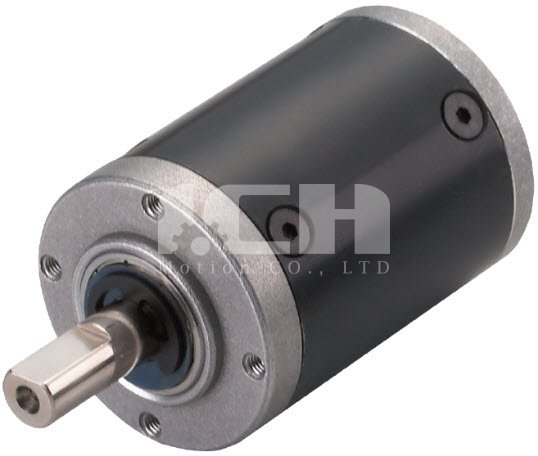
Precision gearboxes are essential for achieving high positioning accuracy in robotic systems. They minimize positioning errors, which is crucial for tasks like assembly and surgical procedures.
● Low Backlash: Gearboxes with low backlash ensure that there is minimal play between gears, allowing for precise movements. This is particularly important in applications where exact positioning is critical.
● I.CH Motion's Solutions: Their high-precision low-backlash planetary gearboxes are designed specifically for these needs, providing reliability and accuracy in demanding environments.
When robots need to perform tasks that require exact movements, the right gearbox can make all the difference. A well-designed gearbox helps maintain consistent performance, reducing the chances of errors that could lead to costly mistakes.
Gearboxes play a vital role in managing torque for various robotic applications. They help distribute power effectively, ensuring that robots can perform a range of tasks efficiently.
● Torque Requirements: Different applications have varying torque needs. For instance:
○ Lifting: Heavy lifting tasks require gearboxes that can handle high torque.
○ Precise Movements: Tasks like welding or painting need lower torque but high precision.
I.CH Motion's gearboxes are engineered to adapt to these different torque requirements. Their robust design allows them to handle high-torque tasks while maintaining operational efficiency.
Application Type | Torque Requirement | Gearbox Type |
Heavy Lifting | High Torque | Planetary Gearbox |
Precision Tasks | Moderate Torque | Harmonic Drive |
General Automation | Variable Torque | Cycloidal Reducer |
This adaptability ensures that robots can perform effectively across a wide range of applications, from industrial manufacturing to delicate medical procedures.
In many robotic applications, space is at a premium. Compact gearboxes provide significant benefits in these environments, allowing for innovative designs without compromising performance.
● Space-Constrained Environments: Smaller gearboxes fit into tight spaces, making them ideal for medical robots or compact industrial machines.
● Case Studies: For example, in surgical robots, compact gearboxes enable precise movements within limited operational spaces. They allow surgeons to perform intricate procedures with minimal invasiveness.
I.CH Motion’s mini planetary gearboxes exemplify this design philosophy. They are specifically crafted for small-scale robotics, ensuring that performance is not sacrificed for size. These gearboxes maintain high efficiency and reliability, even in compact designs.
Precision gearboxes are integral to the functionality of modern robotics. By enhancing positioning accuracy, managing torque effectively, and offering compact designs, they enable robots to perform a variety of tasks with precision and efficiency. Whether in industrial environments or medical settings, the right gearbox can significantly impact overall performance, making it a crucial component in robotic systems.
In high-speed operations, balancing speed and control is crucial. Precision gearboxes play a vital role in achieving this balance. One key factor is inertia matching, which ensures that the motor and gearbox work harmoniously.
● Inertia Matching: This concept involves aligning the inertia of the load and the motor to prevent overshoot during acceleration. If the inertia is mismatched, the system can experience delays and inaccuracies.
● Faster Acceleration: I.CH Motion's precision gearboxes are designed for efficiency, allowing for rapid acceleration while minimizing overshoot. This capability is essential in applications where timing and precision are critical.
By ensuring proper inertia matching and utilizing efficient gearboxes, robotic systems can achieve optimal performance, enhancing their overall effectiveness in high-speed environments.
High-speed operations can generate significant heat, making thermal management essential. Excessive heat can lead to gear failure and reduced performance, so effective strategies are necessary.
● Heat Generation: As gearboxes operate at higher speeds, friction increases, resulting in more heat. Managing this heat is vital for maintaining performance and longevity.
● Thermal Management Techniques:
○ Lubrication: Proper lubrication reduces friction and heat buildup. Using high-quality lubricants can enhance gearbox performance.
○ Cooling Systems: Implementing cooling systems, such as heat sinks or fans, can help dissipate heat effectively.
I.CH Motion incorporates advanced thermal management solutions in their gearboxes. These innovations help maintain operational stability, ensuring that the gearboxes perform reliably under high-speed conditions.
Durability and reliability are paramount in high-speed systems, especially in continuous operation environments. The materials and design of gearboxes significantly impact their lifespan.
● Material Selection: Using high-strength materials enhances resistance to wear and fatigue. Common materials include hardened steel and advanced composites that can withstand harsh conditions.
● Design Considerations:
○ Robust Construction: Gearboxes must be designed to handle high loads without failure. Reinforced designs contribute to greater durability.
○ Testing Standards: Rigorous testing ensures that gearboxes meet industry standards for reliability and performance.
I.CH Motion's gearboxes are built to endure demanding conditions, showcasing their commitment to quality and reliability. These gearboxes are engineered to last, reducing maintenance costs and downtime.
Feature | I.CH Motion Gearboxes | Competitors |
Material Quality | High-strength materials | Varies |
Thermal Management | Advanced cooling solutions | Basic lubrication only |
Durability Rating | High (tested under stress) | Moderate |
Design Robustness | Reinforced construction | Standard designs |
By focusing on durability, reliability, and effective thermal management, precision gearboxes enhance performance in high-speed robotic systems. This optimization leads to improved efficiency, reduced downtime, and greater overall productivity in automation applications.
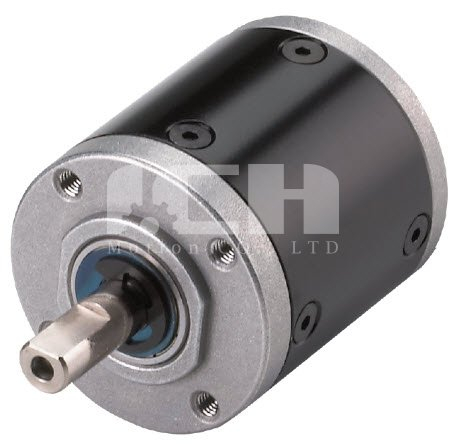
Precision gearboxes are at the heart of modern industrial robotics, playing a crucial role in manufacturing and assembly lines. These gearboxes enhance the efficiency and accuracy of robotic systems, leading to increased productivity.
● Applications in Manufacturing: Robotics in manufacturing often involves repetitive tasks such as welding, painting, and assembly. Precision gearboxes ensure that these tasks are performed with high precision and speed.
● High Productivity: For instance, I.CH Motion's gearboxes have been successfully integrated into assembly lines, resulting in significant reductions in cycle times. One client reported a 30% increase in output after upgrading to high-precision gearboxes.
Application | Gearbox Type | Benefits |
Welding Robots | Planetary Gearboxes | High torque, low backlash |
Assembly Robots | Harmonic Drives | Compact design, precise control |
Painting Robots | Cycloidal Reducers | Smooth operation, high efficiency |
These examples illustrate how precision gearboxes are essential for achieving high productivity in industrial settings.
In medical robotics, precision is paramount. The requirements for medical robots are stringent, as they often perform delicate procedures where accuracy can affect patient outcomes.
● Meeting Specific Needs: Medical robots require gearboxes that provide low backlash and high precision. This ensures that movements are accurate, reducing the risk of errors during surgeries.
● Successful Implementations: I.CH Motion's precision gearboxes have been used in surgical robots, enabling surgeons to perform intricate operations with confidence. For example, their gearboxes have been integrated into robotic-assisted surgery systems, improving both precision and control.
Medical Application | Gearbox Type | Key Features |
Surgical Robots | Low-backlash Planetary | High precision, reliability |
Rehabilitation Devices | Miniature Gearboxes | Compact size, lightweight |
Imaging Systems | Harmonic Drives | Smooth motion, low noise |
These advancements highlight how precision gearboxes are tailored to meet the unique demands of the medical field.
Precision gearboxes also play a critical role in aerospace and defense applications. These sectors require gearboxes that can operate reliably under extreme conditions.
● Challenges in Aerospace: In aerospace applications, gearboxes must withstand high temperatures, vibrations, and varying loads. Ensuring reliability in these high-stakes environments is essential.
● I.CH Motion's Solutions: Their high-performance gearboxes are designed specifically for aerospace applications, providing durability and reliability. For instance, they have been used in unmanned aerial vehicles (UAVs), where weight and reliability are crucial.
Aerospace Application | Gearbox Type | Advantages |
Unmanned Aerial Vehicles | Lightweight Planetary | High strength-to-weight ratio |
Satellite Systems | Precision Gearboxes | Reliable operation in harsh conditions |
Military Robotics | Robust Cycloidal Reducers | High torque, shock resistance |
These examples demonstrate how precision gearboxes contribute to the success of aerospace and defense technologies.
Precision gearboxes are indispensable across various sectors, enabling robots to perform tasks with accuracy and reliability. Their applications in industrial, medical, and aerospace fields showcase their versatility and importance in optimizing performance for high-speed systems.
Precision gearboxes are crucial for optimizing performance in high-speed robotic systems. They enhance positioning accuracy, torque management, and durability across various applications.
From industrial robotics to medical and aerospace sectors, these gearboxes ensure efficiency and reliability.
Consider integrating precision gearboxes into your robotic applications. I.CH Motion offers expertise and high-quality solutions tailored to meet your needs.
Consider torque requirements, speed, size, and application-specific needs.
If precision and accuracy are critical, such as in surgical or assembly applications, low-backlash gearboxes are essential.
Regular lubrication, inspection for wear, and ensuring proper alignment are key for longevity.
Yes, many manufacturers, like I.CH Motion, offer customization options tailored to specific applications.
Trends include miniaturization, improved thermal management, and enhanced materials for durability.