Welcome to I.CH Motion Co., Ltd
- All
- Product Name
- Product Keyword
- Product Model
- Product Summary
- Product Description
- Multi Field Search

Views: 0 Author: Site Editor Publish Time: 2025-12-12 Origin: Site


Backlash is a crucial factor in the performance of precision gearboxes. Machine builders must understand its impact on performance, durability, and efficiency. Effective backlash management ensures smooth machinery operation, reducing wear, noise, and inaccuracies.
In this article, we will explore the causes and effects of backlash. You will learn strategies for managing it to improve gearbox performance and enhance overall machine efficiency.
Backlash refers to the slight gap or play between the teeth of two meshing gears in a precision gearbox. This gap allows the gears to move slightly without causing interference between them. Backlash is a natural phenomenon in mechanical systems, especially in gears, where the teeth do not mesh perfectly. This slight misalignment results in a delay or "play" in the movement of the gears, particularly noticeable when the direction of motion is reversed.
In precision gearboxes, backlash is essential for accommodating factors like thermal expansion, lubrication space, and minor imperfections in manufacturing tolerances. However, excessive backlash can affect the accuracy and smoothness of gear movement, leading to inefficiencies.
While small amounts of backlash can aid in reducing friction and wear, excessive play can result in imprecise movements and instability. In high-precision applications, such as robotics or aerospace, even the slightest backlash can lead to performance degradation. Therefore, it’s crucial to carefully manage and control backlash to ensure the optimal performance and longevity of precision gearboxes.
Several factors contribute to backlash, including:
Cause | Description |
Manufacturing Tolerances | Minor imperfections in gear dimensions and teeth profiles make it difficult to achieve perfect alignment. |
Thermal Expansion | Gears expand and contract with temperature fluctuations, which requires some clearance to prevent binding. |
Misalignment during Assembly | Even slight misalignments during assembly can increase backlash. |
In precision applications, such as in robotics or aerospace, the effects of backlash can result in imprecise movement, affecting the overall system's accuracy. Excessive backlash leads to significant performance degradation in high-precision machinery, causing issues like reduced speed, increased vibration, and operational inefficiency.
● Smooth Operation Under Heat: Backlash allows gears to accommodate thermal expansion, preventing the gears from jamming.
● Prevention of Tooth Overload: It helps reduce excessive forces between teeth, preventing premature wear.
Negative Effect | Description |
Imprecise Movement | Excessive backlash can lead to inaccuracies in machine movement, affecting precision. |
Delays in Direction Reversal | Backlash creates delays when changing gear direction, reducing system responsiveness. |
Instability Under Load Changes | Backlash can cause instability when the load fluctuates, leading to inconsistent performance. |
Backlash can have a significant impact on the efficiency of machines, particularly in high-precision applications. The gap between gear teeth caused by backlash leads to slippage and slight misalignment, which results in delays during gear engagement. This causes machines to move less efficiently, especially during direction changes. The presence of excessive backlash increases cycle time, as the gears take longer to engage and disengage correctly. In high-speed manufacturing environments, these delays can accumulate, reducing overall productivity. For example, in CNC machines or automated assembly lines, even small delays can result in significant downtime, affecting the throughput and efficiency of the entire operation.
In addition to time inefficiencies, backlash also leads to energy losses. As gears with excessive backlash engage and disengage, the irregular contact between the teeth causes friction and vibration. These factors increase energy dissipation, which can lead to higher operational costs. The friction generated by backlash not only wastes energy but also leads to increased wear on the gears, contributing to further inefficiencies over time. This is particularly important in systems that rely on energy efficiency, such as electric motors or high-precision robotics. Addressing backlash can therefore result in both improved energy efficiency and lower operational costs, making it a critical factor in the long-term sustainability of machines.
To enhance machine efficiency and mitigate the negative effects of backlash, effective strategies must be implemented:
● Using Preload Springs: Preload springs are designed to apply consistent pressure between gear teeth, helping to reduce the gap caused by backlash. This continuous pressure keeps gears meshed more tightly, leading to smoother operation and better overall performance.
● Tight Manufacturing Tolerances: Ensuring that gears are manufactured with tight tolerances is key to minimizing backlash. When gears are made with high precision, the teeth mesh more accurately, reducing the play between them and improving efficiency. This approach is particularly crucial in applications requiring high levels of precision, such as aerospace or medical machinery.
● Regular Maintenance Inspections: Conducting regular maintenance and inspections is essential to identify and correct issues related to backlash before they cause significant performance degradation. Preventative measures, such as realigning gears or replacing worn components, can help maintain the machinery's efficiency and extend its operational life.
By focusing on these strategies, machine builders can significantly reduce the impact of backlash, leading to more efficient, reliable, and cost-effective machinery.
Backlash provides necessary space for lubricant to flow between gear teeth, reducing friction and wear. This lubrication helps cool the contact surfaces during operation, which is crucial for maintaining smooth gear functioning.
Proper lubrication plays a key role in controlling backlash. By minimizing friction and heat buildup, lubricants ensure that gear teeth move smoothly, preventing backlash from negatively impacting performance.
Different types of lubricants, such as oil-based and grease-based lubricants, can reduce friction and wear. Selecting the right lubricant based on operational conditions helps control backlash and improve gearbox performance.
Lubricant Type | Impact on Backlash Control |
Oil-Based Lubricants | Reduces friction, cooling contact surfaces, and stabilizing gear operation. |
Grease-Based Lubricants | Ideal for high-load applications, providing long-lasting lubrication and reducing backlash. |
One of the most critical factors in minimizing backlash is achieving tight manufacturing tolerances. In precision gearbox design, small variations in gear tooth dimensions can result in significant play, or backlash, between engaging teeth. By utilizing high-precision manufacturing techniques, gear teeth can be produced with exact dimensions, ensuring that they mesh tightly. This alignment reduces unnecessary gaps, which in turn improves the overall performance of the gearbox. In precision applications, such as robotics or aerospace, where accuracy is paramount, even slight deviations in tolerance can lead to inefficient operation, inaccurate movements, and reduced system performance. Therefore, controlling tolerances during manufacturing is a key aspect of minimizing backlash and achieving smooth, precise motion.
Modern advancements in gearbox design, such as the use of helical gears or advanced bearing systems, help reduce backlash and improve the accuracy of gear systems.
Preload springs are a crucial tool in controlling backlash within precision gearboxes. These springs apply a constant force that helps maintain continuous pressure between the gear teeth, effectively eliminating slack and minimizing the gap that causes backlash. By keeping the gears tightly meshed, preload springs help stabilize gear performance and reduce any potential play between the teeth. This is particularly important in systems that undergo frequent directional changes or operate under variable loads. Preload springs not only improve the smoothness of the gear system's operation but also help extend the lifespan of the gearbox by reducing wear and tear. As part of an effective backlash management strategy, preload springs enhance precision, improve machine performance, and ensure reliable operation in demanding environments.
By integrating these design principles and technologies, machine builders can significantly reduce backlash and optimize the performance of precision gearboxes, ensuring smoother, more efficient operations across a wide range of applications.
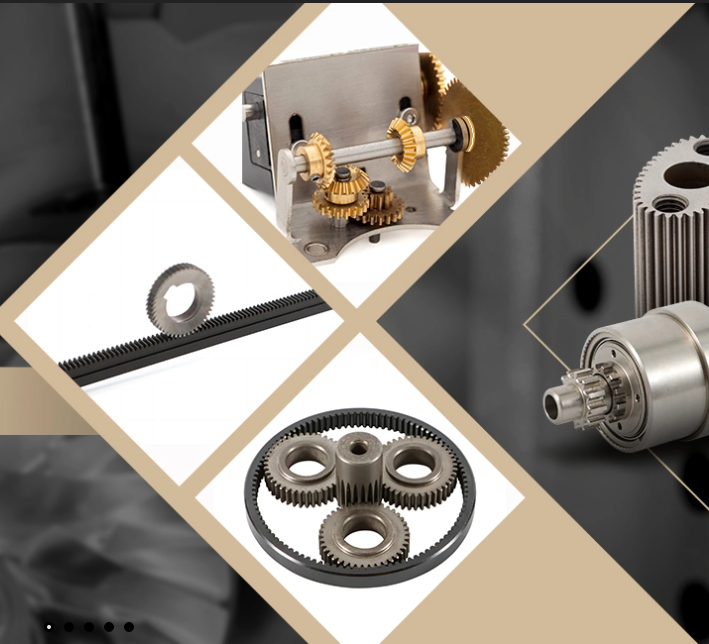
In an industrial gear system, excessive backlash led to high levels of noise and vibration. By adjusting the gear alignment and implementing tighter manufacturing tolerances, backlash was reduced, resulting in smoother operation and less wear.
These case studies highlight the importance of managing backlash through regular inspections, proper lubrication, and the use of precision components. Implementing best practices ensures enhanced performance and longevity of gear systems.
Backlash plays a crucial role in the performance of precision gearboxes. While it helps prevent wear and allows smooth operation under heat, excessive backlash can lead to inefficiencies, imprecise movements, and instability. By understanding the causes of backlash and implementing effective management strategies, machine builders can optimize gearbox performance, improve efficiency, and extend system life.
I.CH offers high-quality precision gearboxes designed to minimize backlash. Their products provide exceptional durability and performance, ensuring smooth operations and efficient machinery for all industrial needs.
A: Backlash is the small gap between gear teeth in a precision gearbox that allows slight movement before they engage.
A: Excessive backlash in a precision gearbox can lead to imprecise movement, affecting overall system accuracy.
A: Managing backlash ensures smoother operation, reduces wear, and improves efficiency in precision gearbox performance.
A: Implementing preload springs, maintaining tight manufacturing tolerances, and regular maintenance can reduce backlash in precision gearboxes.
A: Excessive backlash can cause inefficiency, delays in direction changes, and instability under varying loads in a precision gearbox.
A: Backlash control in precision gearboxes is essential for maintaining smooth movement, accuracy, and optimal machine performance.